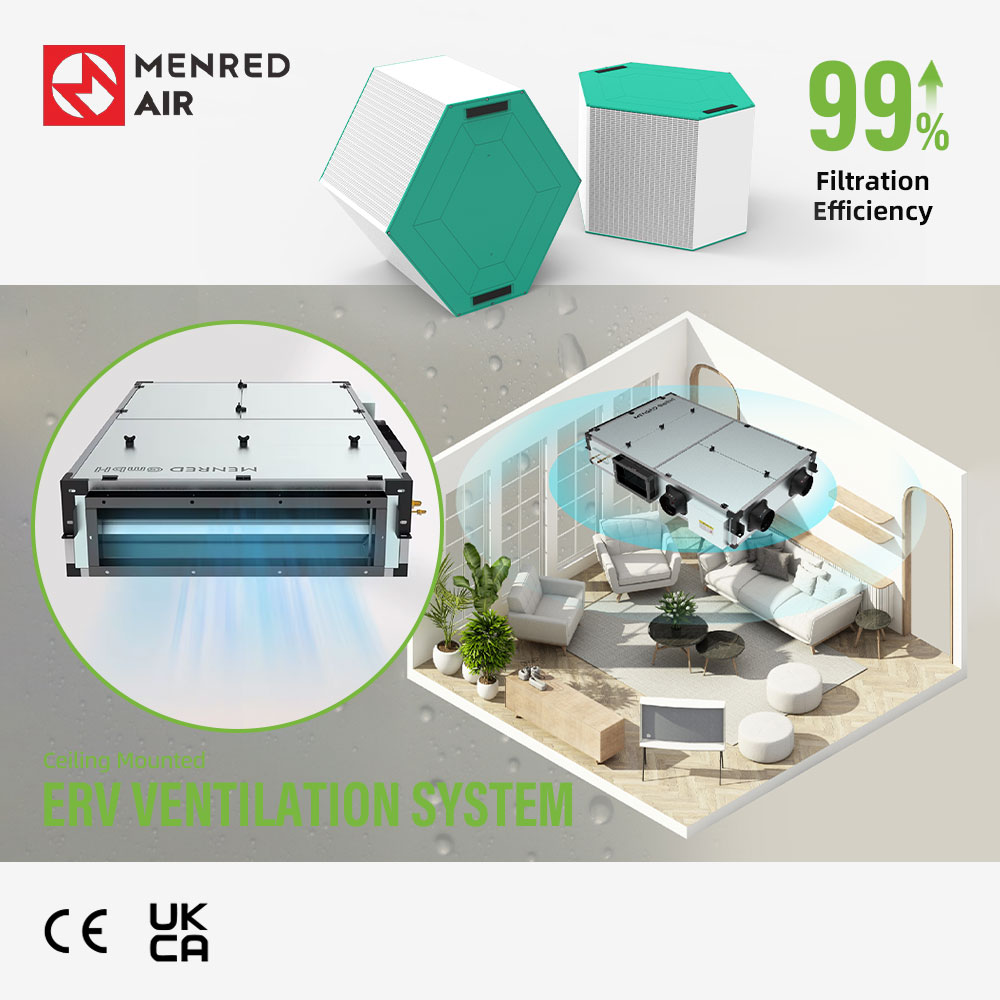
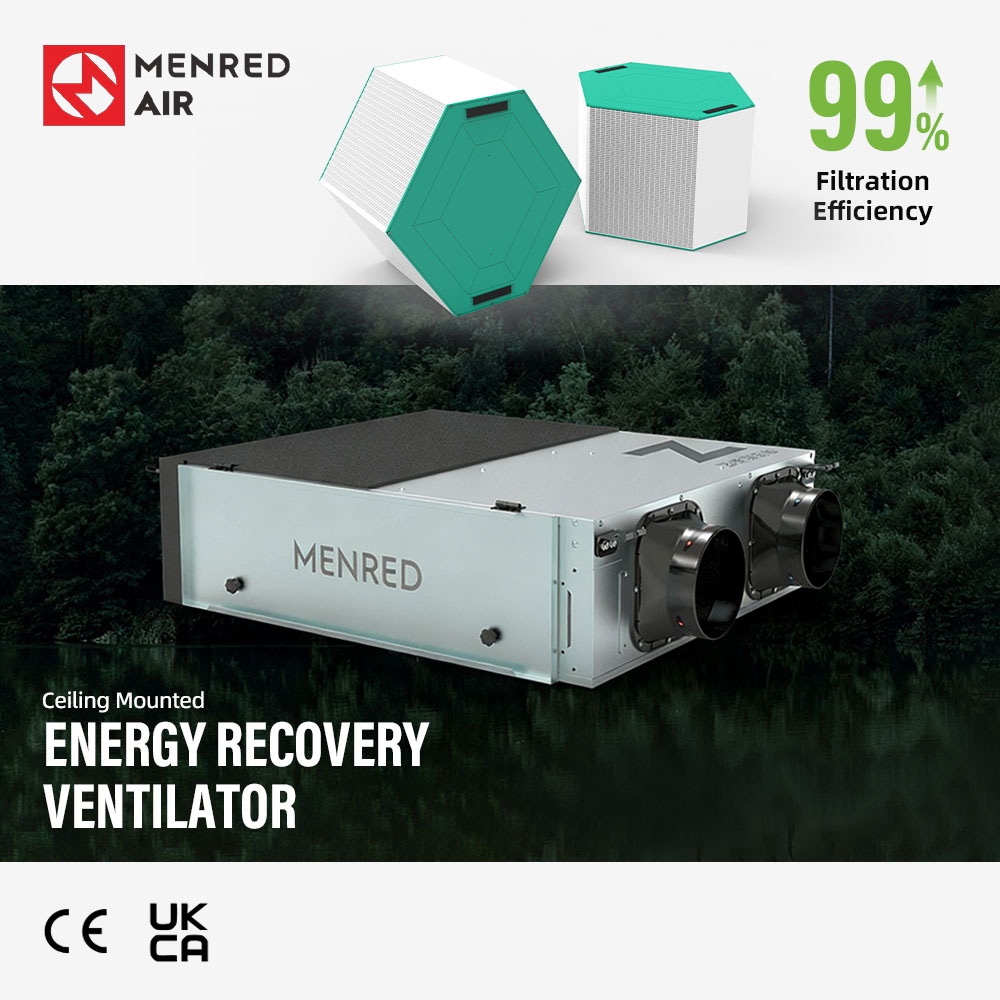
Heat recovery ventilators (HRVs) are special systems that help keep the air in our homes fresh. They do this by taking stale air out and bringing fresh air in. But there's a twist! HRVs can also save energy by using the heat from the air that is leaving to warm up the fresh air that is coming in. This means that homes can stay comfortable without wasting a lot of energy. At MENRED AIR, we believe that everyone should have clean air to breathe and a cozy home without high energy bills. Let’s dive deeper into why having a heat recovery ventilator is a smart choice.
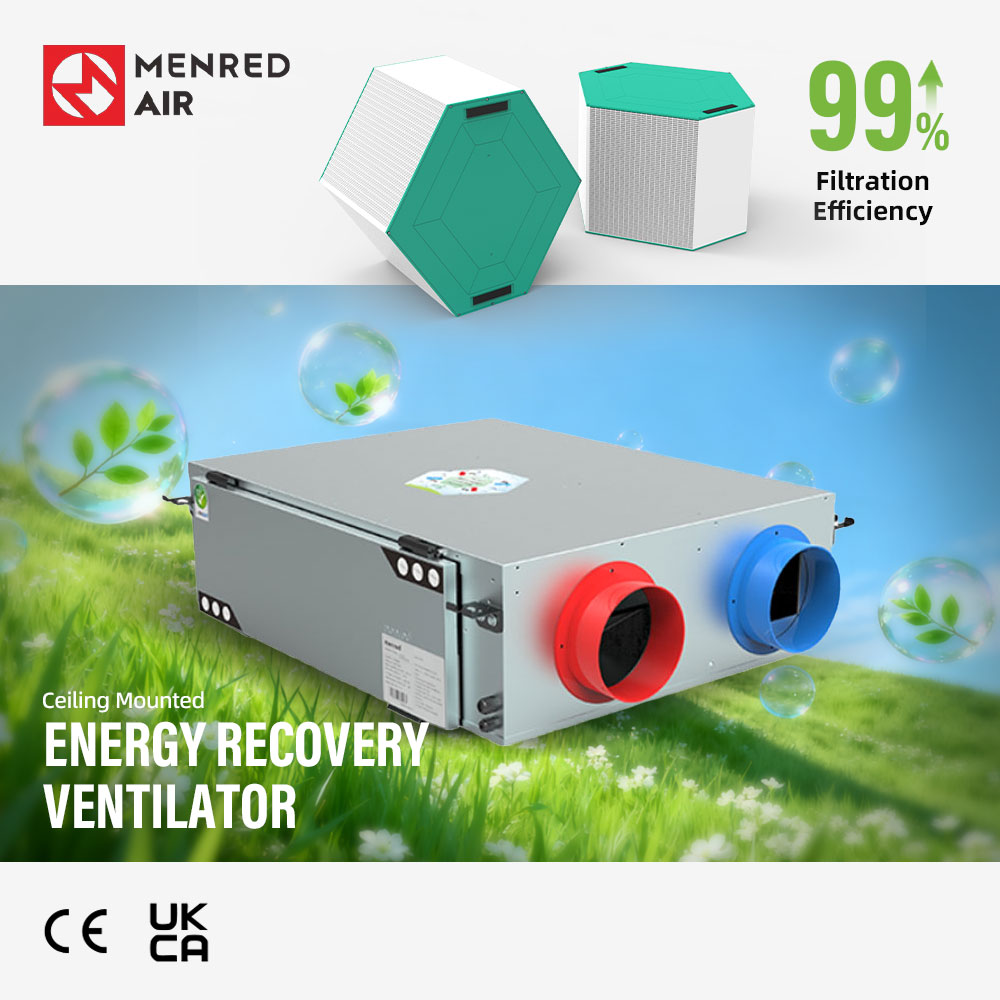
Common Issues with Residential Heat Recovery Ventilators and How to Fix Them
Like any gadget, heat recovery ventilators can sometimes run into problems. One common issue is that they might not work as well as they should. This can happen if the filters are dirty. When filters get clogged, they can’t clean the air properly. It’s important to check and change filters regularly, about every three months, to keep the system running well. Another issue can be strange noises. If you hear banging or rattling sounds, it might be a sign that something is loose or that the fan is having trouble. In this case, you should check the connections and make sure everything is tight. Sometimes, the fan might need a little oil to keep it running smoothly. Another thing that can happen is frost build-up during winter. If your HRV has frost, it can block airflow. This is usually because the outside temperature is very low. To fix this, you can adjust the settings to make sure the unit works correctly even when it's cold outside. Lastly, if you notice bad smells coming from the HRV, it could be a sign of mold in the system. You should clean it thoroughly and, if necessary, call a professional from MENRED AIR to help. Remember, regular maintenance is the key to making sure your heat recovery ventilator works well for a long time. Taking care of it is not just good for your home, but it also helps keep your air clean and safe to breathe.