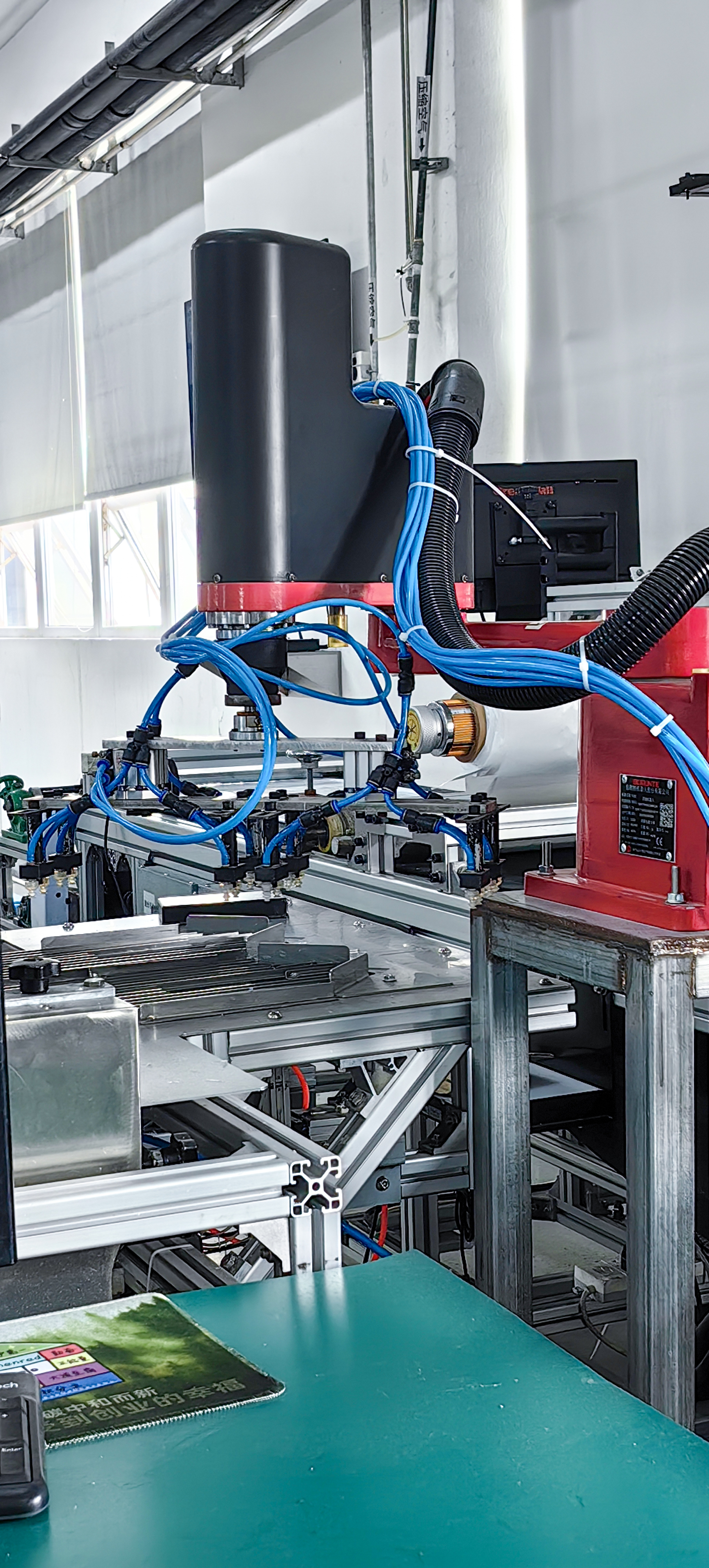
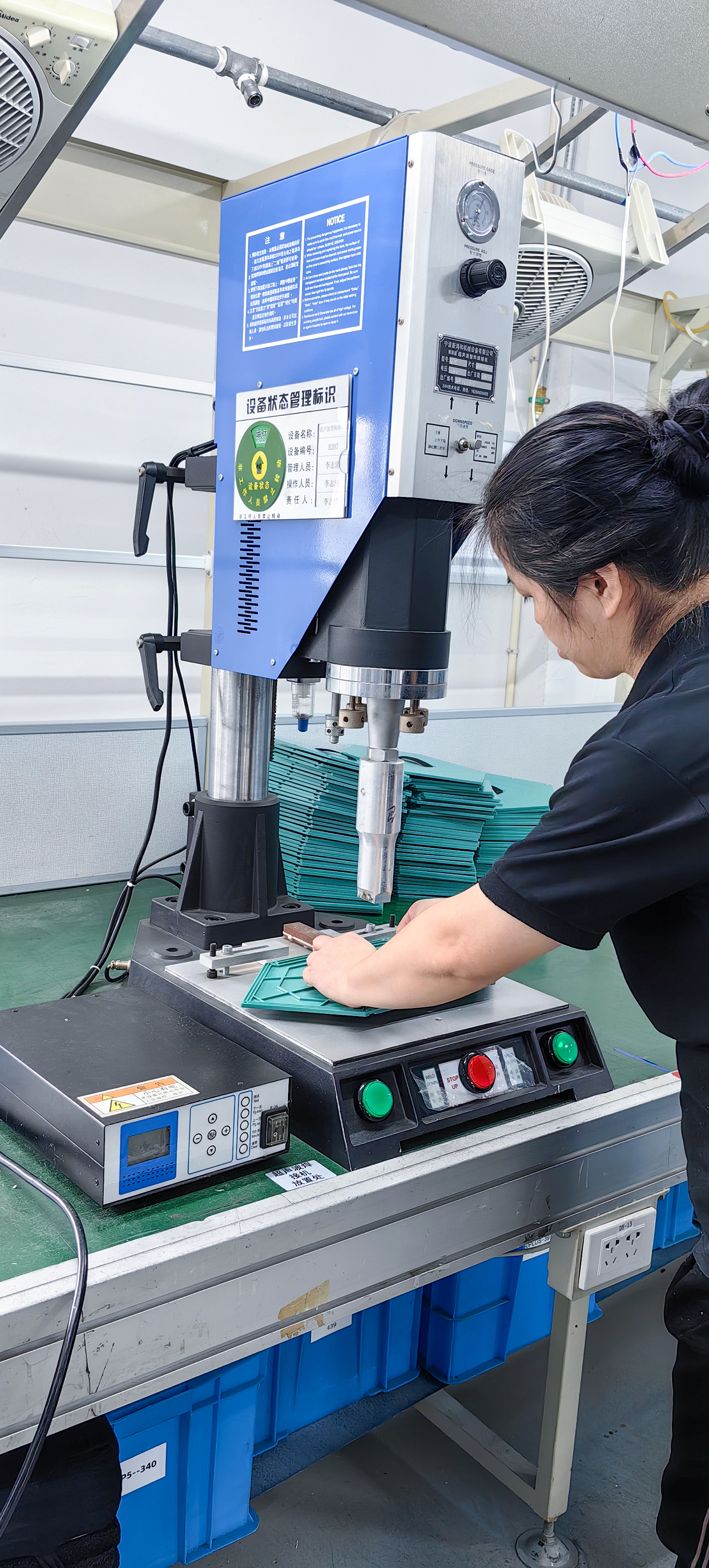
Plate heat exchangers are important tools used in many industries. They help move heat from one fluid to another without mixing them. This is very useful in places like factories, power plants, and even in heating systems for buildings. The design of a plate heat exchanger is unique. It has many thin plates stacked together. This design gives it a big surface area to transfer heat. The fluids flow through separate channels, so they never mix. This makes plate heat exchangers very efficient. Companies like MENRED AIR create these devices to help industries save energy and improve their processes.
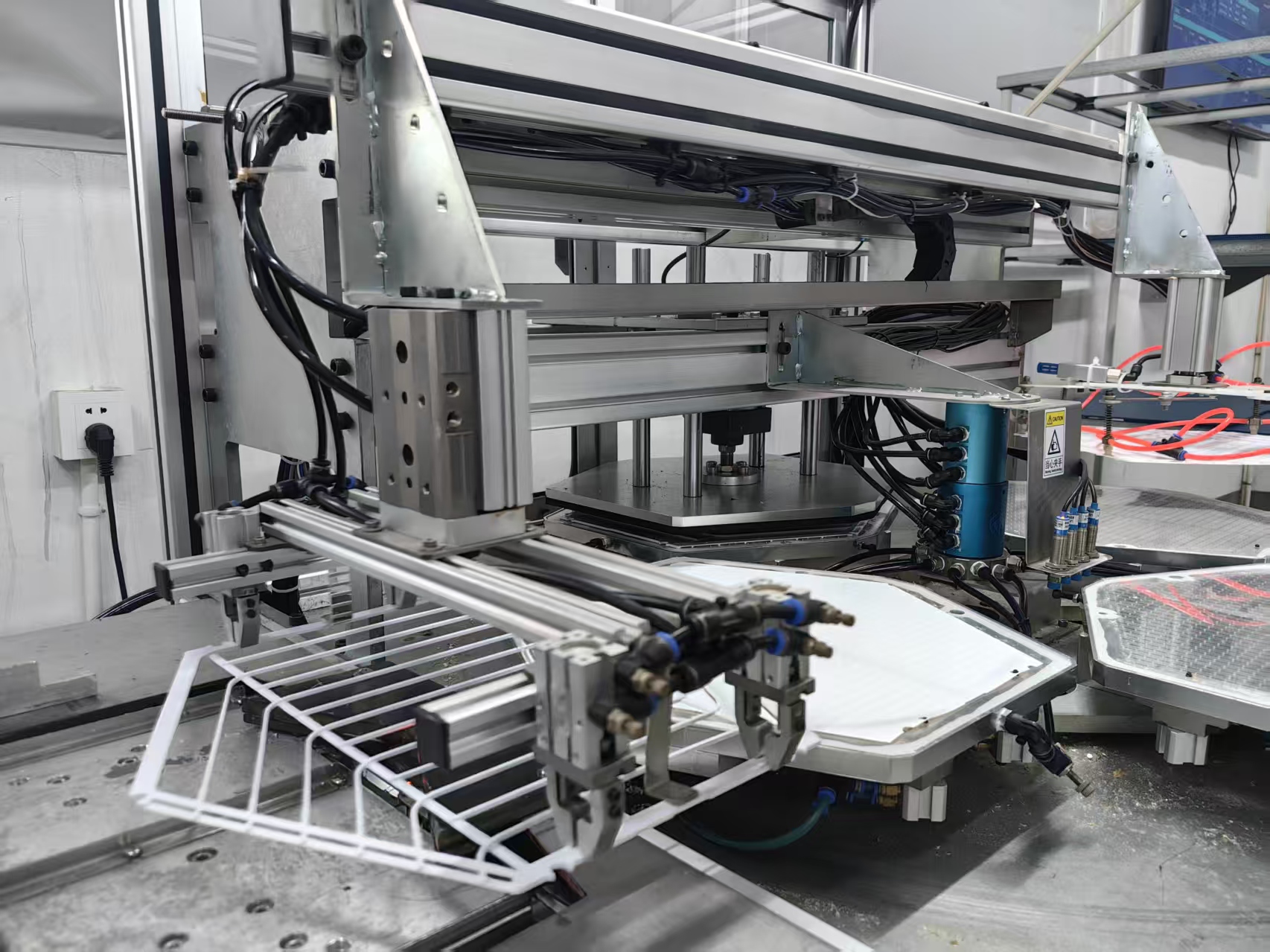
How to Optimize the Performance of Your Plate Heat Exchanger System
To get the most out of your plate heat exchanger system, there are some key steps you can take. First, regular maintenance is essential. Checking for leaks or blockages can prevent bigger problems later. Cleaning the plates often helps keep the heat exchanger running well. Dirt and grime can reduce its efficiency, so keeping it clean is crucial. Another important tip is to monitor the temperature and pressure of the fluids. This helps in ensuring that the system operates under the best conditions. If the temperature is too high or the pressure too low, it can hurt the performance. Using the right fluids is also vital. Some fluids are better at transferring heat than others. Choosing the right one can make a big difference. You should also consider the flow rates. If the fluid does not flow correctly, it can lead to poor heat transfer. Adjusting the flow rates can help optimize the performance. Lastly, consulting with experts, like those at MENRED AIR, can provide valuable insights. They can help identify any issues and suggest improvements. Overall, with the right care and attention, you can ensure that your plate heat exchanger system performs at its best.