

Home > News > Knowledge Hub
Modern buildings are designed to be more energy-efficient than ever before. Improved insulation, airtight windows, advanced construction materials, and optimized building envelopes help reduce heating and cooling losses while improving overall building performance.
However, as buildings become increasingly airtight, natural air exchange is reduced. Without sufficient ventilation, indoor pollutants, excess humidity, odors, and stale air can accumulate over time. This creates new challenges for maintaining a healthy and comfortable indoor environment.
People spend approximately 90% of their time indoors, making indoor air quality (IAQ) a critical factor affecting health, comfort, productivity, and overall well-being. Poor ventilation can result in elevated CO₂ levels, increased airborne particles, unpleasant odors, and unstable humidity conditions.
A professional ventilation system provides a reliable solution by continuously exchanging indoor and outdoor air while minimizing energy losses through advanced heat recovery and energy recovery technologies.
Unlike traditional ventilation methods that simply exhaust indoor air and introduce outdoor air, modern ERV (Energy Recovery Ventilation) and HRV (Heat Recovery Ventilation) systems recover energy from outgoing air and transfer it to incoming fresh air. This allows buildings to maintain excellent indoor air quality while improving energy efficiency.
A well-designed ventilation system is therefore not only an air exchange solution. It is an essential part of modern building design, supporting healthier living spaces, improved comfort, and a more sustainable future.
One of the primary purposes of a ventilation system is maintaining clean and healthy indoor air.
Modern homes and commercial buildings contain many potential sources of pollutants. Furniture, building materials, cleaning products, cooking activities, and human occupancy can release harmful substances including PM2.5 fine particles, pollen, dust, VOCs (volatile organic compounds), carbon dioxide (CO₂), and other airborne contaminants.
When ventilation is insufficient, these pollutants can accumulate indoors and negatively affect occupant comfort and health.
Modern ERV systems combine continuous fresh air exchange with advanced filtration technology to reduce airborne contaminants before fresh air enters the building.
Depending on the filtration configuration, ventilation systems can provide multiple levels of protection, including:
For urban residential areas, allergy-sensitive households, offices, schools, hotels, and commercial buildings, effective ventilation is an important solution for maintaining healthier indoor environments.
Humidity control is another essential function of modern ventilation systems.
Indoor humidity has a significant impact on comfort, building durability, and indoor air quality.
Excess humidity can lead to mold growth, condensation, unpleasant odors, and damage to interior materials. On the other hand, overly dry indoor air may cause dry skin, throat irritation, static electricity, and reduced comfort during heating seasons.
ERV systems help solve this challenge by transferring both heat and moisture between outgoing exhaust air and incoming fresh air through an advanced energy exchange core.
During humid seasons, the system helps reduce excessive moisture entering the building. During dry seasons, it helps maintain useful humidity levels indoors.
Maintaining indoor relative humidity between 40% and 60% is generally considered ideal for human comfort and healthier indoor conditions.
Energy efficiency is one of the most important advantages of heat recovery and energy recovery ventilation systems.
Traditional ventilation methods often waste energy because conditioned indoor air is directly exhausted outdoors. The heating or cooling energy already used to condition that air is lost.
Energy recovery ventilation reduces this waste by transferring thermal energy between outgoing and incoming air streams.
During winter, warm indoor exhaust air transfers heat to cold outdoor air, reducing the heating load required to maintain indoor temperature.
During summer, cool indoor air helps reduce the cooling load caused by warm outdoor air entering the building.
Advanced ERV systems can recover approximately 70–80% of energy from exhausted air, reducing HVAC workload and improving overall building efficiency.
Indoor air quality directly affects how people experience and use a space.
Poor ventilation can result in increased CO₂ levels, stagnant air, unpleasant odors, and higher concentrations of airborne pollutants.
Continuous ventilation helps:
A modern ventilation system works quietly in the background, continuously maintaining indoor conditions while allowing occupants to enjoy a healthier environment.
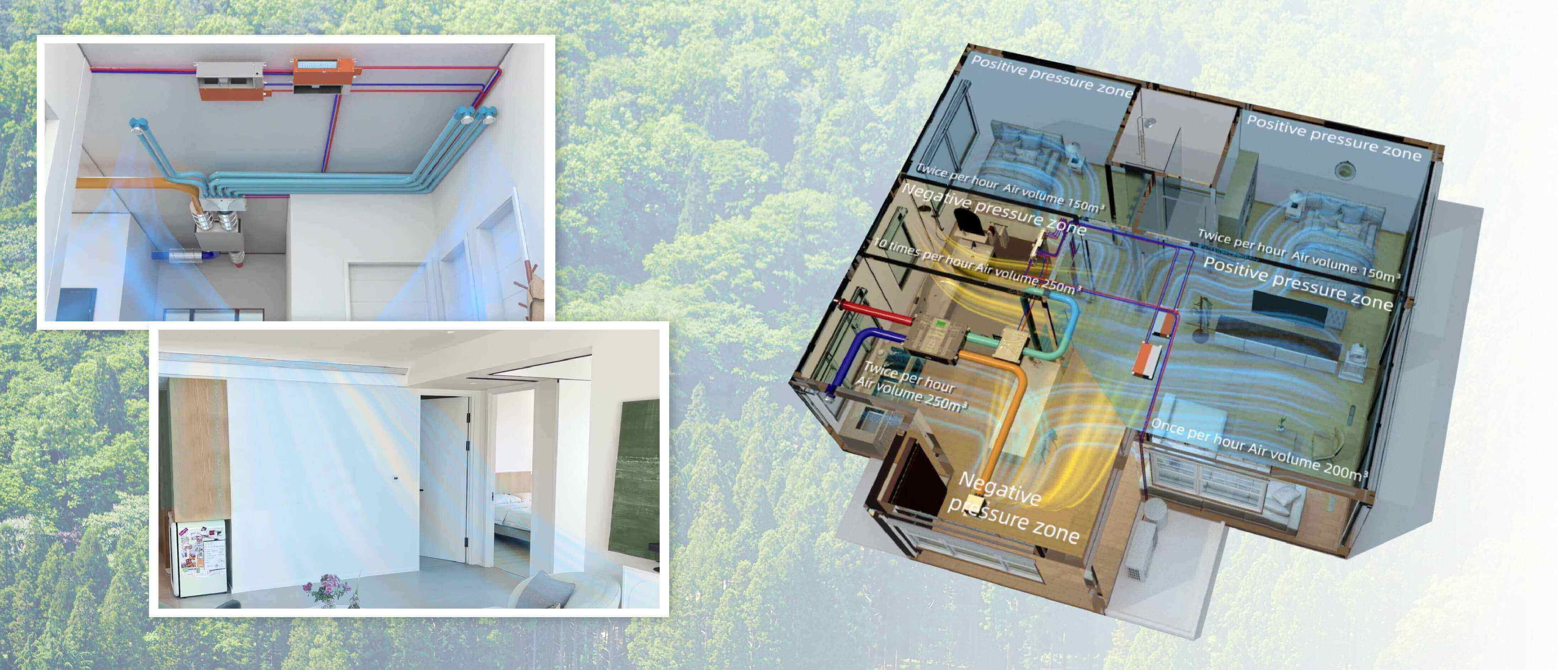
Modern ERV and HRV systems are designed for continuous operation rather than occasional use.
Recommended practices include:
Smart ventilation systems equipped with sensors can respond to:
This demand-controlled approach improves comfort while reducing unnecessary energy consumption.
Like all HVAC equipment, ventilation systems require regular maintenance to maintain performance.
Filters should generally be replaced every 3–6 months depending on outdoor air quality and usage. Clean filters ensure stable airflow, better filtration performance, and lower energy consumption.
Heat exchanger cores should be inspected and cleaned annually to prevent dust accumulation and maintain recovery efficiency.
Ducts and fans should be checked regularly to identify airflow restrictions, dust buildup, or mechanical issues.
Smart sensors should also be verified periodically to ensure accurate monitoring and automatic control.
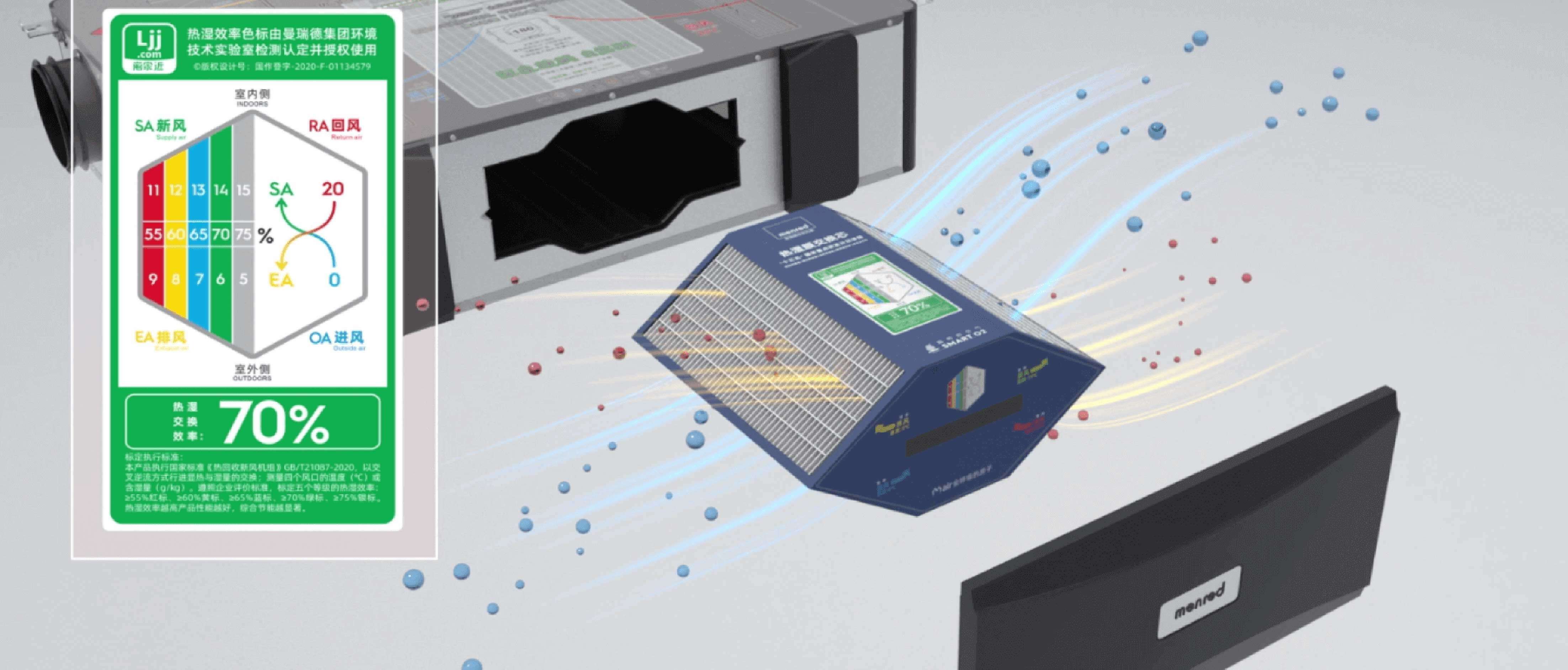
An ERV or HRV system is a long-term investment in health, comfort, energy efficiency, and building performance.
HRV systems are typically ideal for colder and drier climates. They recover heat from outgoing air without transferring moisture, helping reduce heating demand during winter.
ERV systems are designed for climates where humidity management is important. They transfer both heat and moisture between air streams, helping maintain balanced indoor conditions.
By reducing heating, cooling, and dehumidification loads, ERV systems provide both comfort and energy benefits.
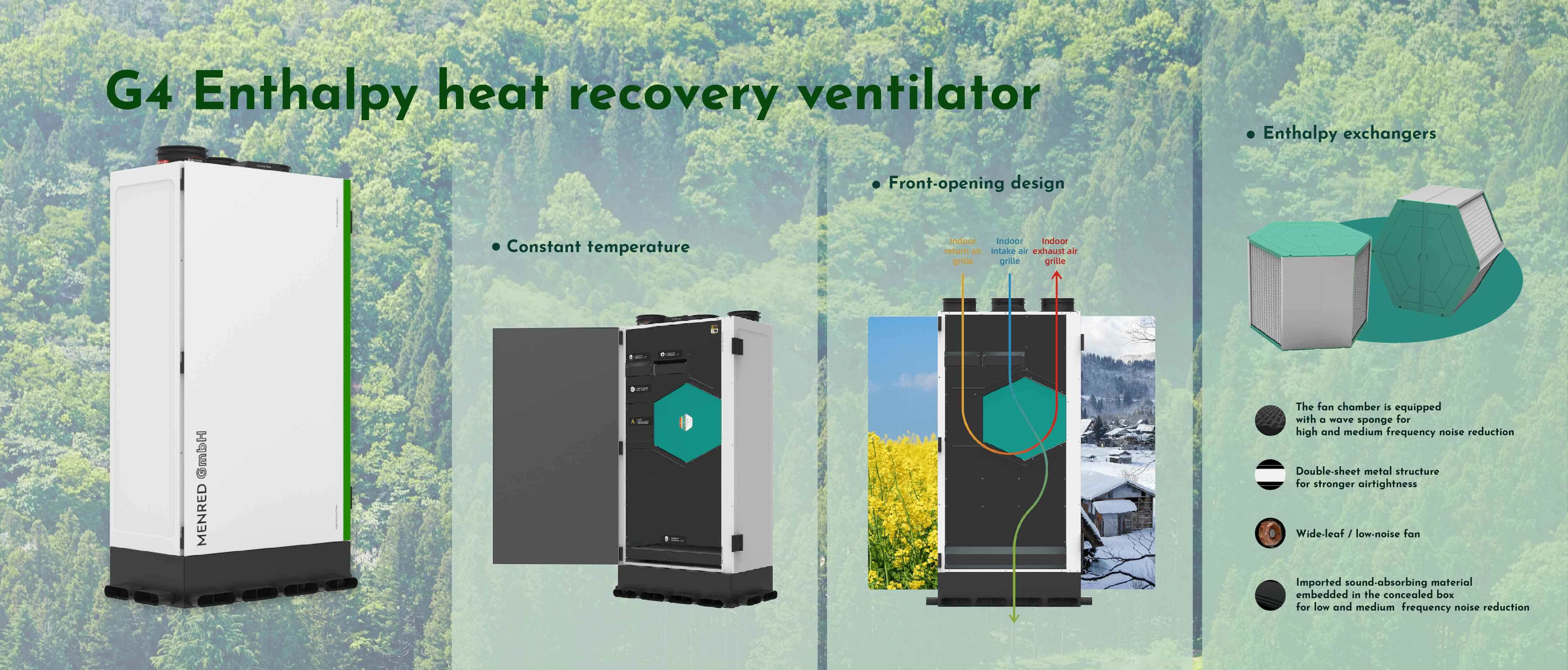
Premium residential systems: $2,420–$3,710.
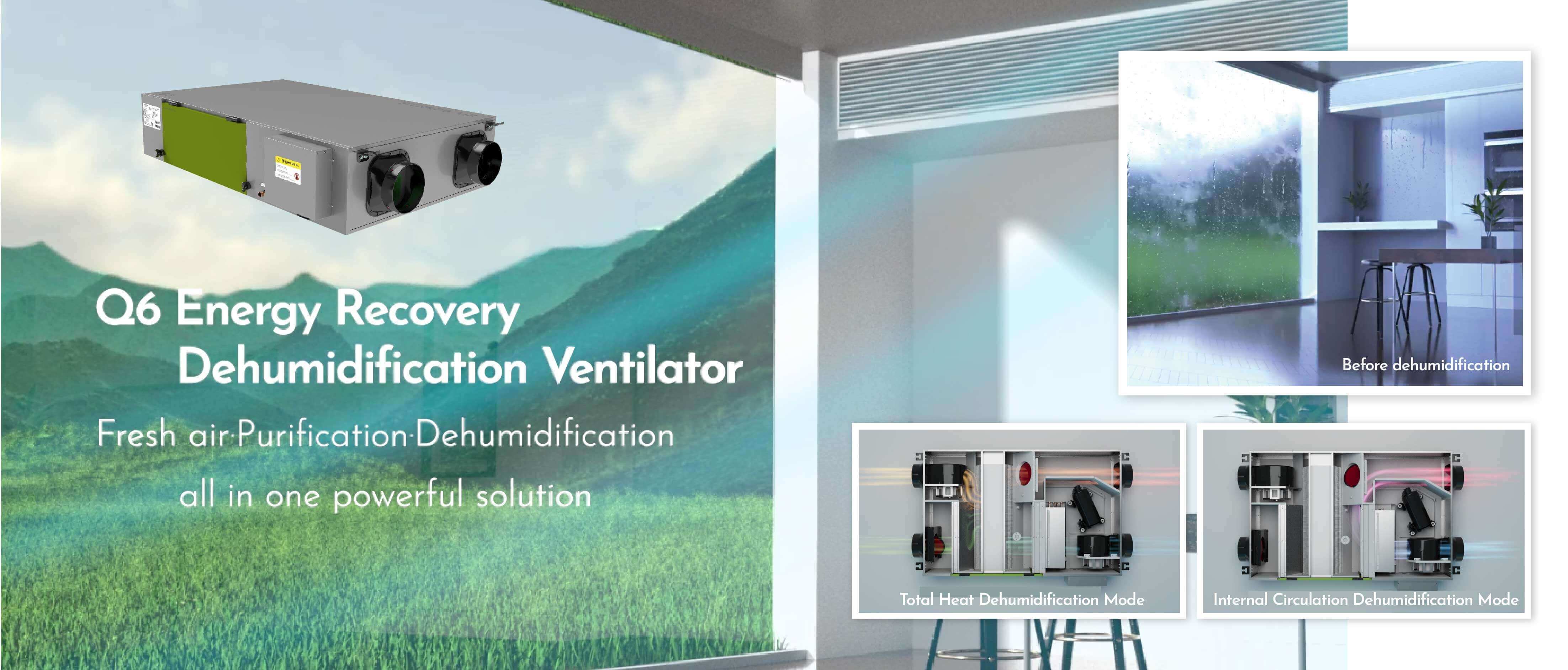
Investing in an energy recovery ventilation system is not only about bringing fresh air into a building.
It is about creating healthier spaces, improving energy efficiency, enhancing comfort, and supporting a more sustainable future.
With advanced ERV solutions, MENRED AIR helps homeowners, architects, engineers, and developers achieve better indoor environments through:
As buildings continue to evolve toward higher efficiency and better living standards, ventilation will become an essential part of modern architecture.
Better air creates better spaces.
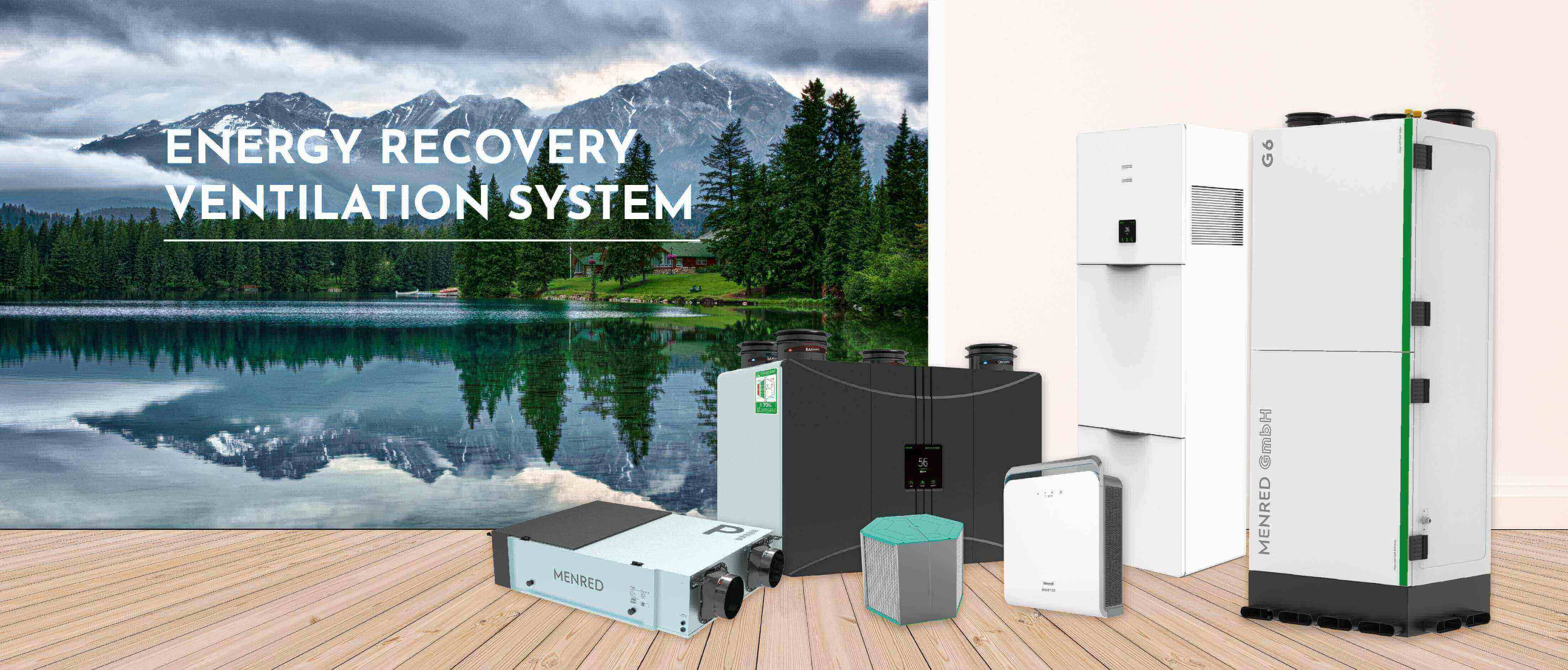
Explore Our HVAC Solutions
Copyright © Zhejiang Menred Environmental Technology Co., Ltd. All Rights Reserved - Privacy Policy